
[윤희영의 News English] 사재기 현상과 인간의 동물적 본능입력 2020.12.24 03:00
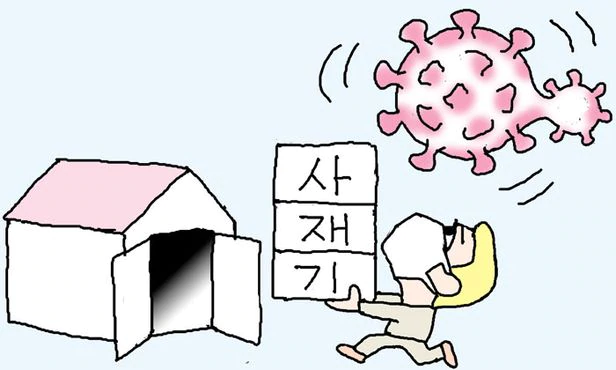
영국에서 기존 코로나보다 전염력(infectivity)이 훨씬 강한 변이 바이러스(mutant virus)가 발생하면서 사재기(panic buying) 행위가 재연되고 있다. 위험을 감지하면(scent danger) 우선 먹이를 비축하는 동물적 본능(animal instinct to hoard food above all)이 또다시 발동한 것이다. 행동과학자(behavioral scientist)들은 사재기하는 인간과 야생동물에서 유사점을 찾아볼(draw parallels with human hoarders and animals out in the wild) 수 있다고 말한다. 수퍼마켓에서 먹거리를 싹쓸이하는(sweep food items) 인간이나, 도토리를 쌓아 놓는(stock up on acorns) 다람쥐나, 양쪽 볼 가득 씨앗을 채워 물고(fill its cheeks with seeds) 종종거리는 햄스터나 매한가지라는 얘기다.
사재기는 탐욕스럽고 이기적인(be avaricious and selfish) 짓거리지만, 어찌 보면 생존 본능(instinct for survival)에 따라 불확실성과 위험에 대응하는(respond to the uncertainty and risk) 자연스러운 행동(natural behavior)이다. 공급 부족(shortage of supply)이 더 악화될(change for the worse) 것이라는 위기감에 빠져(be thrown into the sense of crisis) 그 상황에 적응하고 견디기 위한 준비를 하는(prepare themselves to adjust to the situation and get on with it) 과정으로 이해할 수도 있다. 일부 동물은 미리 많은 먹이를 섭취해 체내 지방 에너지 축적분(internal fat energy reserves)을 늘려놓지만, 인간은 실컷 먹어두기보다는(rather than gorging on food items) 잔뜩 쌓아 놓는 쪽을 택한다. 그런데 두루마리 화장지는 왜 사재기를 해서 쟁여 놓는(stack toilet paper rolls) 걸까.
의견이 분분한데(be divergent), 위험에서 안전을 지키려는 내장된 경보 체제(built-in alarm system)에 의해 유발되는 현상이라는 설이 유력하다. 바이러스 감염 가능성에 겁을 먹고(become scared by the possibility of catching virus), 그 역겨움에 대한 민감함(sensitivity to disgust)이 커지면서 청결함을 유지하고 두려움을 달래줄(keep them clean and alleviate their fear) 물건을 대량 사들이게(buy in large quantities) 한다는 것이다. 그래서 살균 물휴지(disinfectant wet wipe)나 손 세정제(hand sanitizer)도 많이 사들이는데, 화장지는 부피가 커서(be bulky) 유독 눈에 띈다는(stand out) 얘기다. 사재기는 인간이 오랜 세월을 두고(over a long period of time) 결정 구조에 따라 행동하게 된 진화의 산물(product of evolution acting over decision mechanism)이라는 의견도 있다. 전쟁 중에 생존 본능이 종족 보존(preservation of the species) 위기감을 일으켜 임신율(pregnancy rate)이 오히려 더 높아지는 현상과 다를 바 없다는 것이다. |
'column' 카테고리의 다른 글
| 신상털이에도 꿈쩍 안했다…'호통판사' 정경심 재판장 8개월[출처: 중앙일보] (0) | 2020.12.24 |
|---|---|
| [분수대] 당근과 시장[출처: 중앙일보] [분수대] 당근과 시장 (0) | 2020.12.24 |
| [사설] 조국 파렴치 앞장서 변호하던 정권, 이젠 무슨 강변 할 건가 (0) | 2020.12.24 |
| 진중권 “사실이 사실의 지위 찾는데 1년, 내 싸움은 이제 끝” (0) | 2020.12.24 |
| [양상훈 칼럼] 文대통령이 비겁해 보이는 이유 (0) | 2020.12.24 |